All history, all stories, begin with data. Crystallised moments, images, artefacts, or experiences. As data experts we acknowledge the importance of archiving and ensuring the data from which all history is borne remains secure, accessible, and pure.
Acknowledging historiography as a practice combining the creative efforts of generating meaning, and the analytical faculties of research, highlights the ongoing dialogue between the malleable and the concrete, the artistic and the scientific.
The following is a presentation of an ongoing enquiry into the history of our Northcote office, and we invite you to remain inquisitive, for it is as much a piece of artifice as any scholarly history, and as such, is open to revision upon the discovery of new sources and new narratives.
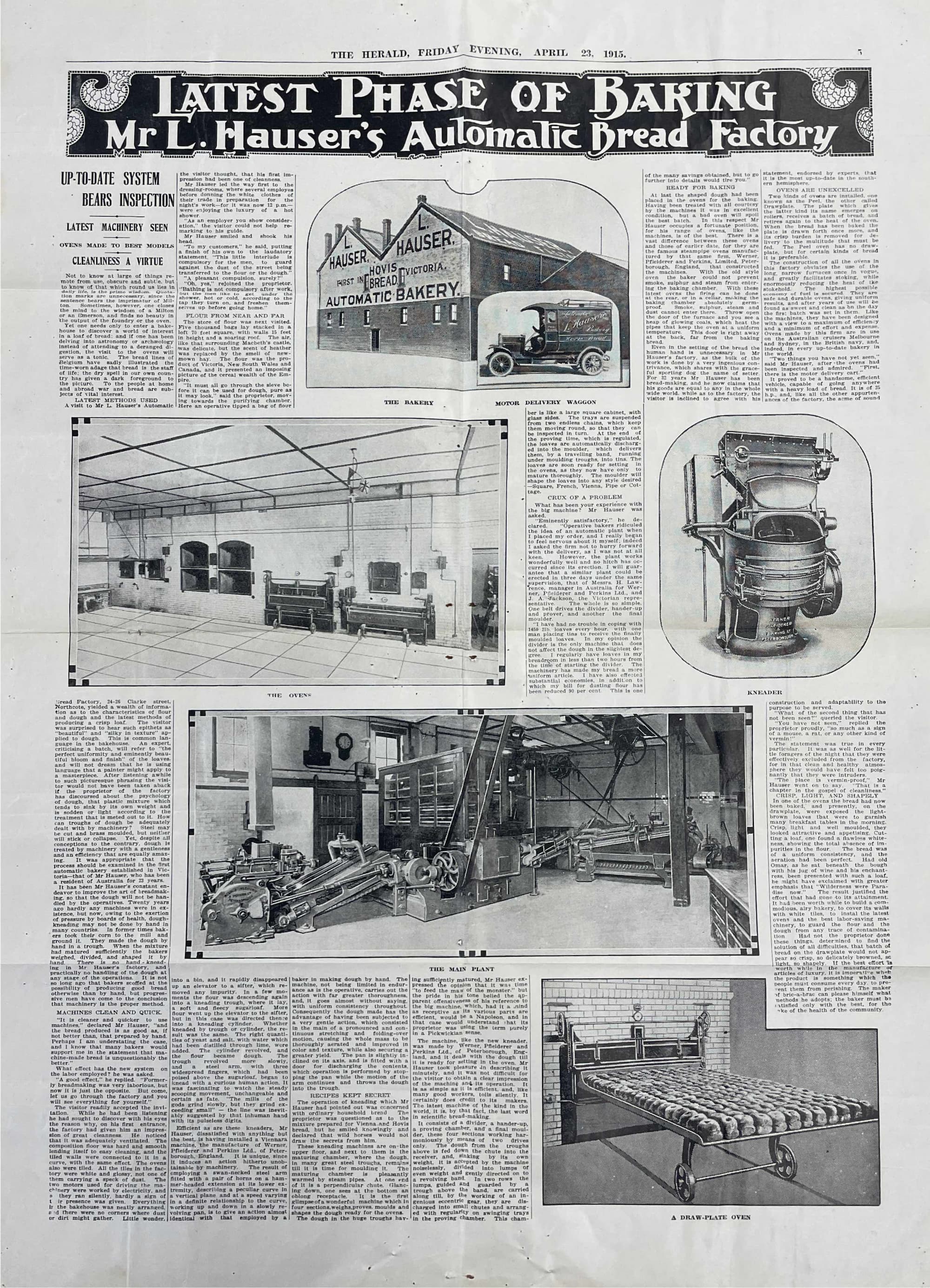
“Latest Phase of Baking”
Article, The Herald, 23 April 1915
Found among factory registration documents while undertaking research at the Victorian Archives Centre. (VPRS 1399/P0000, Fa - Ha, Factory Registration Papers, Public Record Office Victoria)
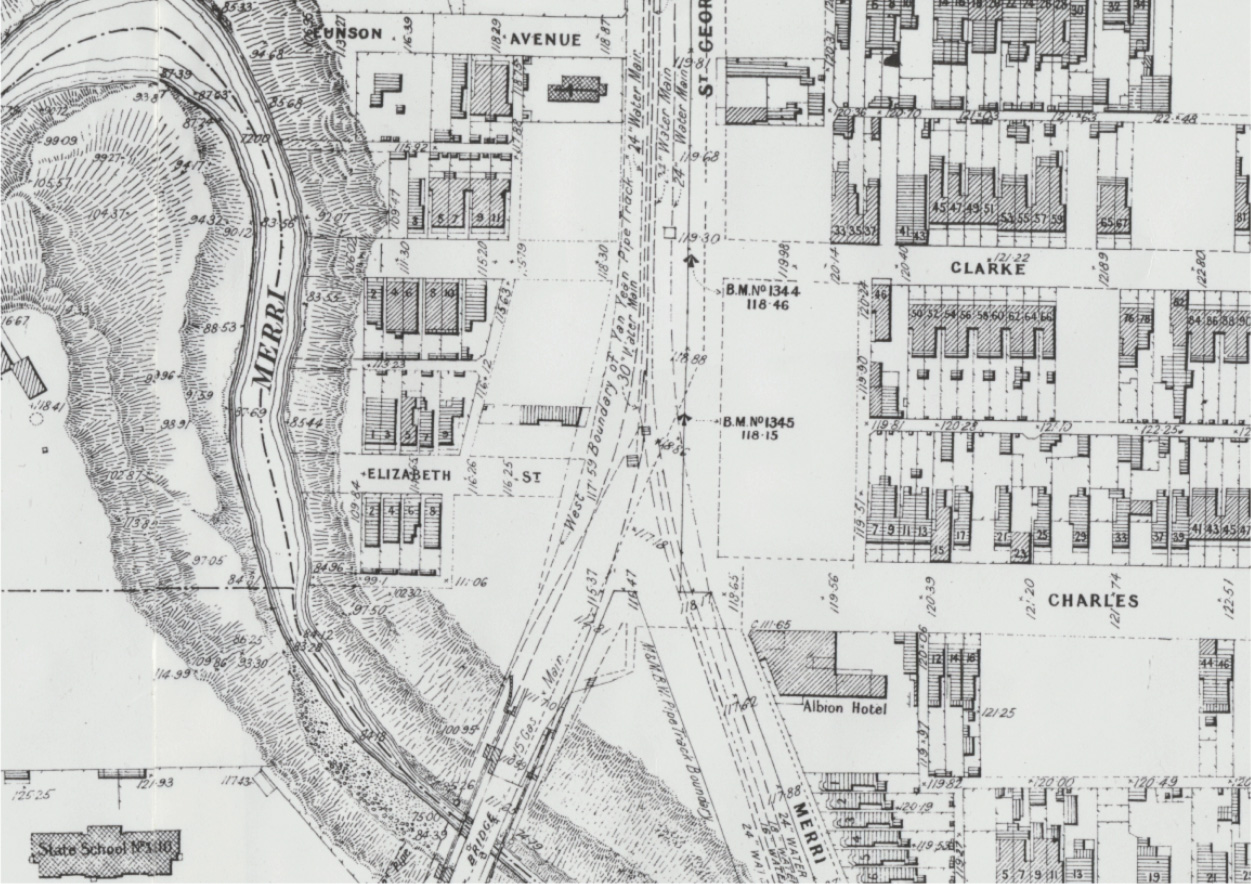
Melbourne and Metropolitan Board of Works, Plan No. 95 Brunswick, Northcote & Fitzroy, 1906 (Map Collections, University of Melbourne Digitised Collections)
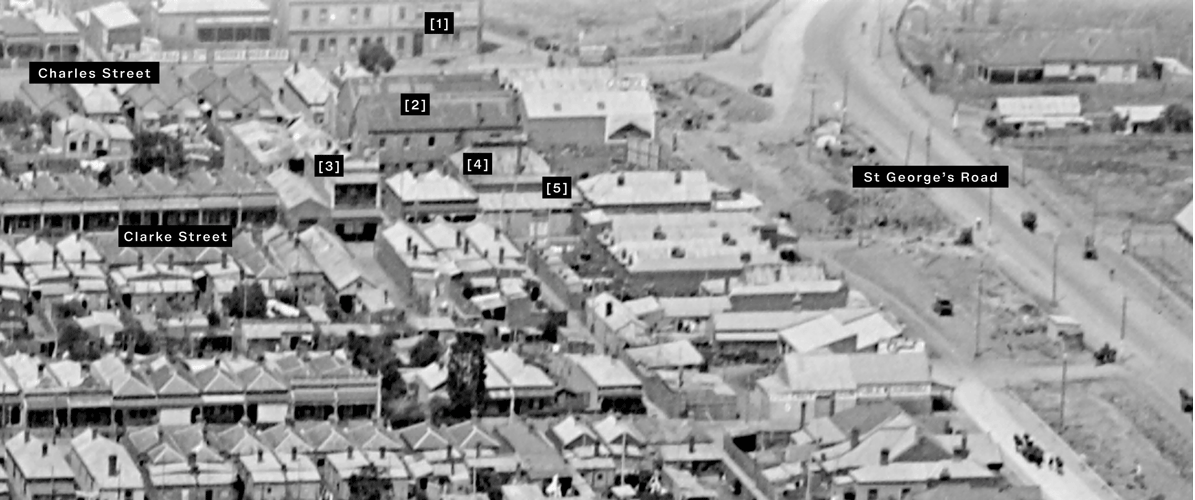
[1]
[2]
[3]
[4]
[5]
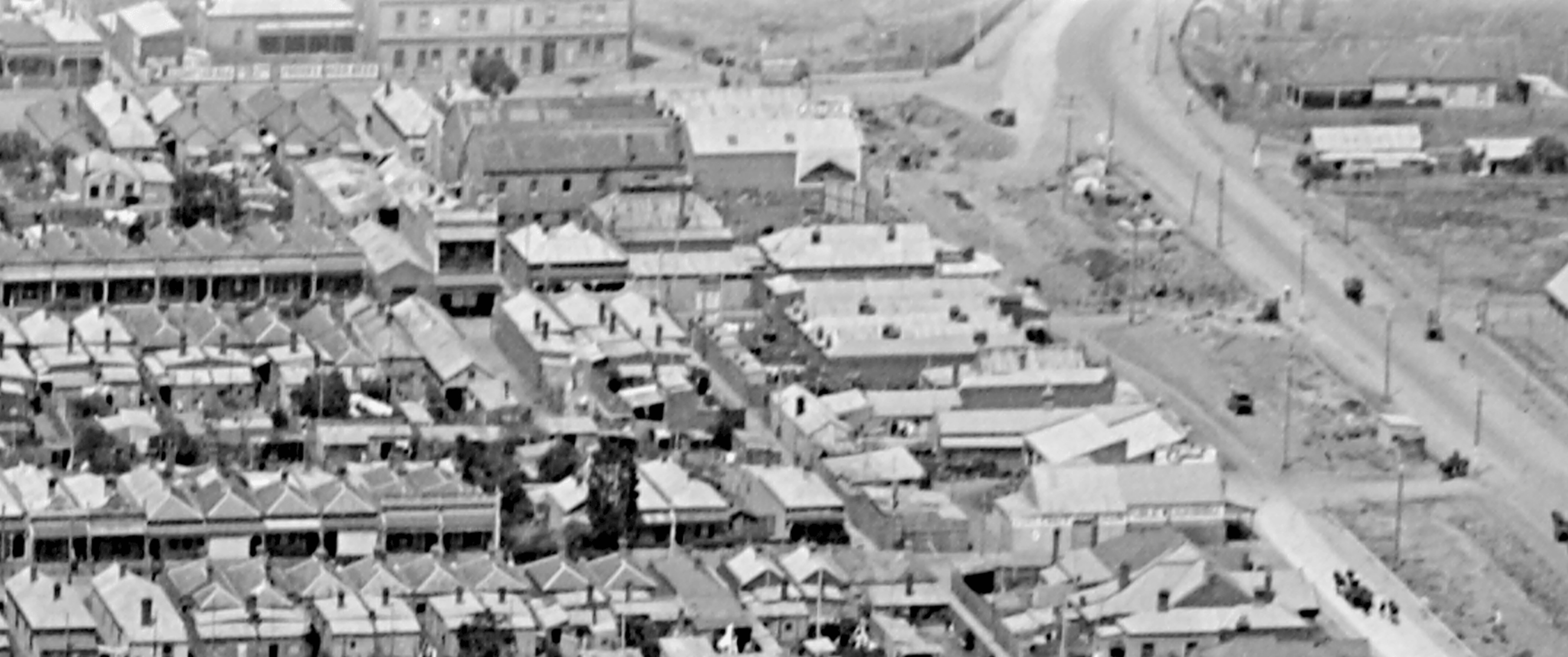
Charles Street
St George's Road
Clarke Street
Extract of an aerial photograph taken from the north of Northcote by Charles Daniel Pratt and Airspy, 1928, showing:
[1] The Albion Hotel
[2] Leopold Hauser's Automatic Bread Factory building
[3] 24 Clarke Street, then occupied by Leopold and Rosa Hauser
[4] The since-demolished St George's Park Bakery factory building
[5] Houses toward the corner of Clarke Street and St Georges Road
(H91.160/390. Pictures Collection, State Library Victoria)
William D. Hodges’ purchase of an allotment from John McMahon signified the beginnings of Little Bakers Lane. By building a bakery and a residence, Hodges set this once undeveloped allotment on a path of industry, on a path of attempts, failures, and successes. For over a century Little Bakers Lane has been home to some of the most ambitious business endeavours in the history of Australian production.
In 1898, Seventh Day Adventist Edward Halsey used the then-called St George’s Park Bakery to produce health foods. Notably a plant-based replacement for meat and butter, ‘nut butter’, which became the peanut butter we know today. Melbourne was not yet ready for these American products, which led to Halsey relocating to Cooranbong, NSW. Though Halsey’s tenure was short, it marked an important moment in the history of processed foods in Australia, being the very first bakery for the Sanitarium Health Food Agency.
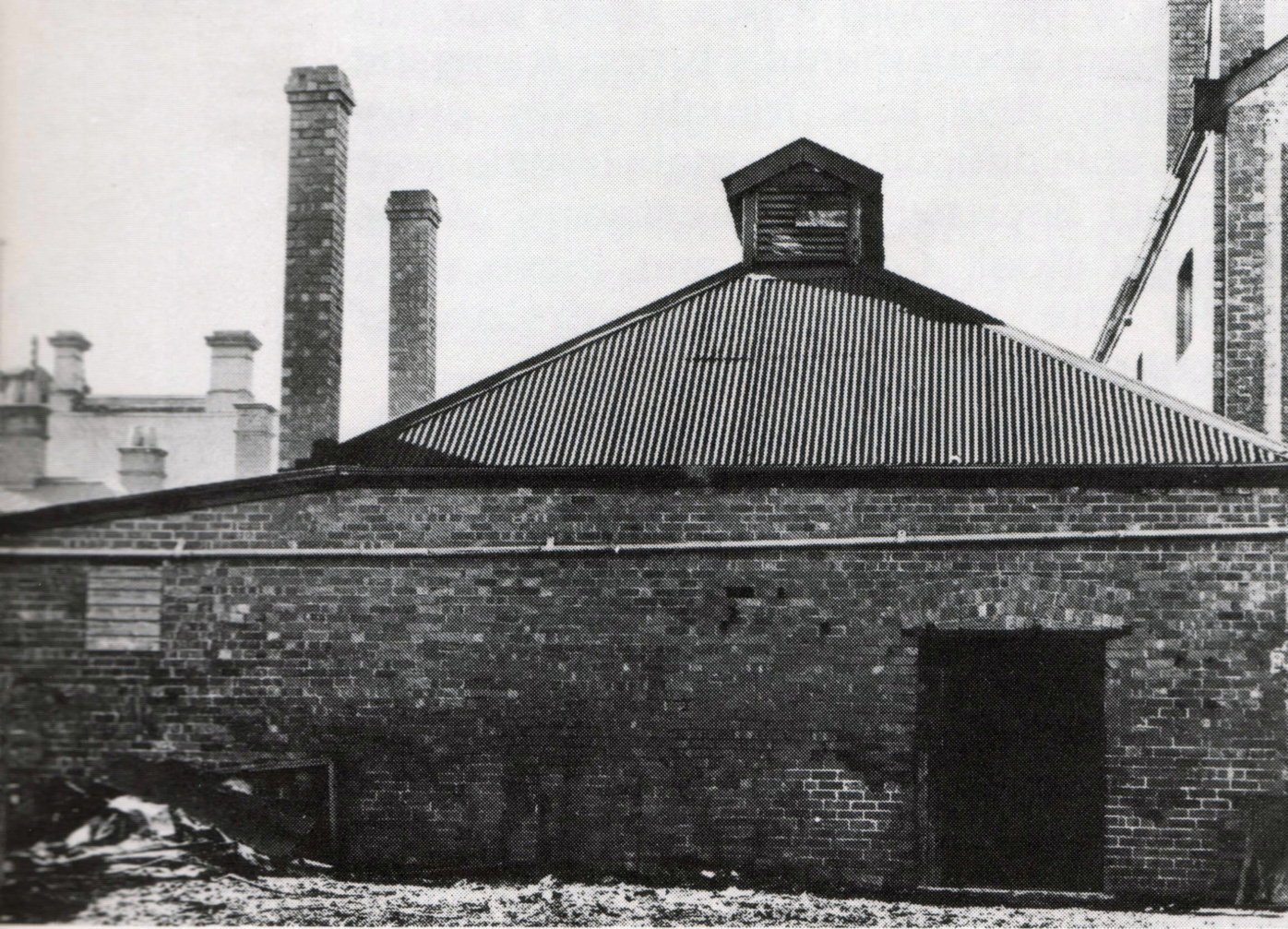
Edward Halsey's Health Food Company, Northcote 1893
in Noel Clapham, "Seventh-day Adventists in the South Pacific, 1885-1985", p. 102
Photograph assumed to be taken from St Georges Road, the building has since been demolished. The farthest roofline on the left belongs to 46 Clarke Street, William Hodges’ original bakery house. The building on the right becomes in the following decades Hauser's Automatic Bread Factory, and is the present-day site of Arcitecta’s Northcote office.
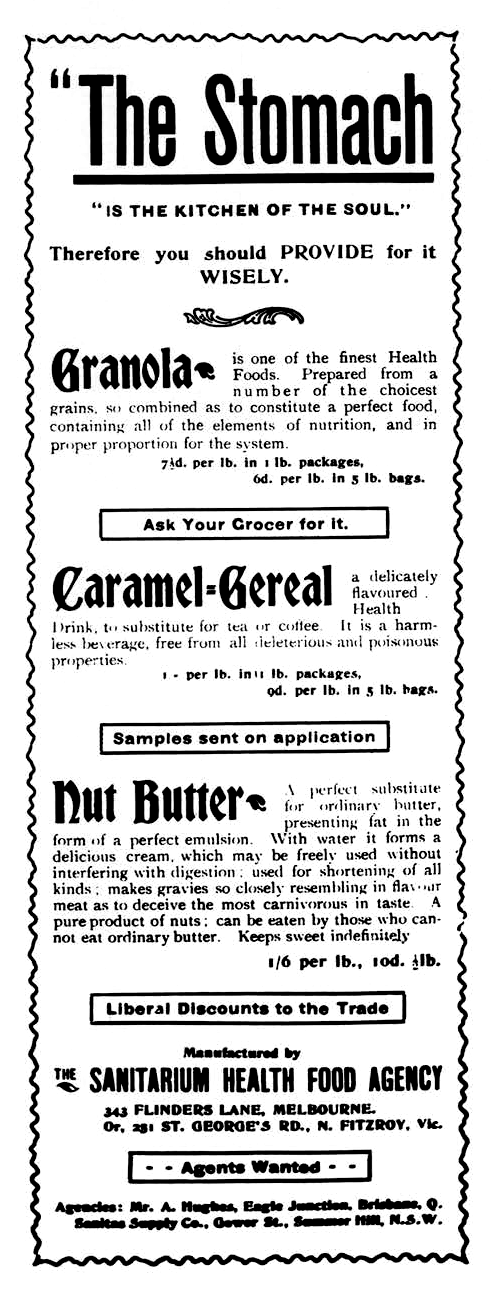
“The Stomach is the Kitchen of the Soul”
Advertisement for Edward Halsey’s health food products in the Australasian Union Conference’s “Union Conference Record” March 1898, p. 35
Initially operating under his own name, Hauser’s bakery was then run by Taylor McMillan Pty Ltd from 1933 and was later known as the Northcote Vienna Bakery from 1945. After years of operation, the work eventually downscaled, and the property was sold off in 1954.
Bread produced under these various names was supplied to the Kew Mental Hospital, the Children’s Welfare Depot at Royal Park, and the Teacher’s College, Carlton, among others.
Hauser’s bakery was one of the first to champion the advantages of automation, allowing him to produce bread cheaper and faster than his peers, much to their chagrin.
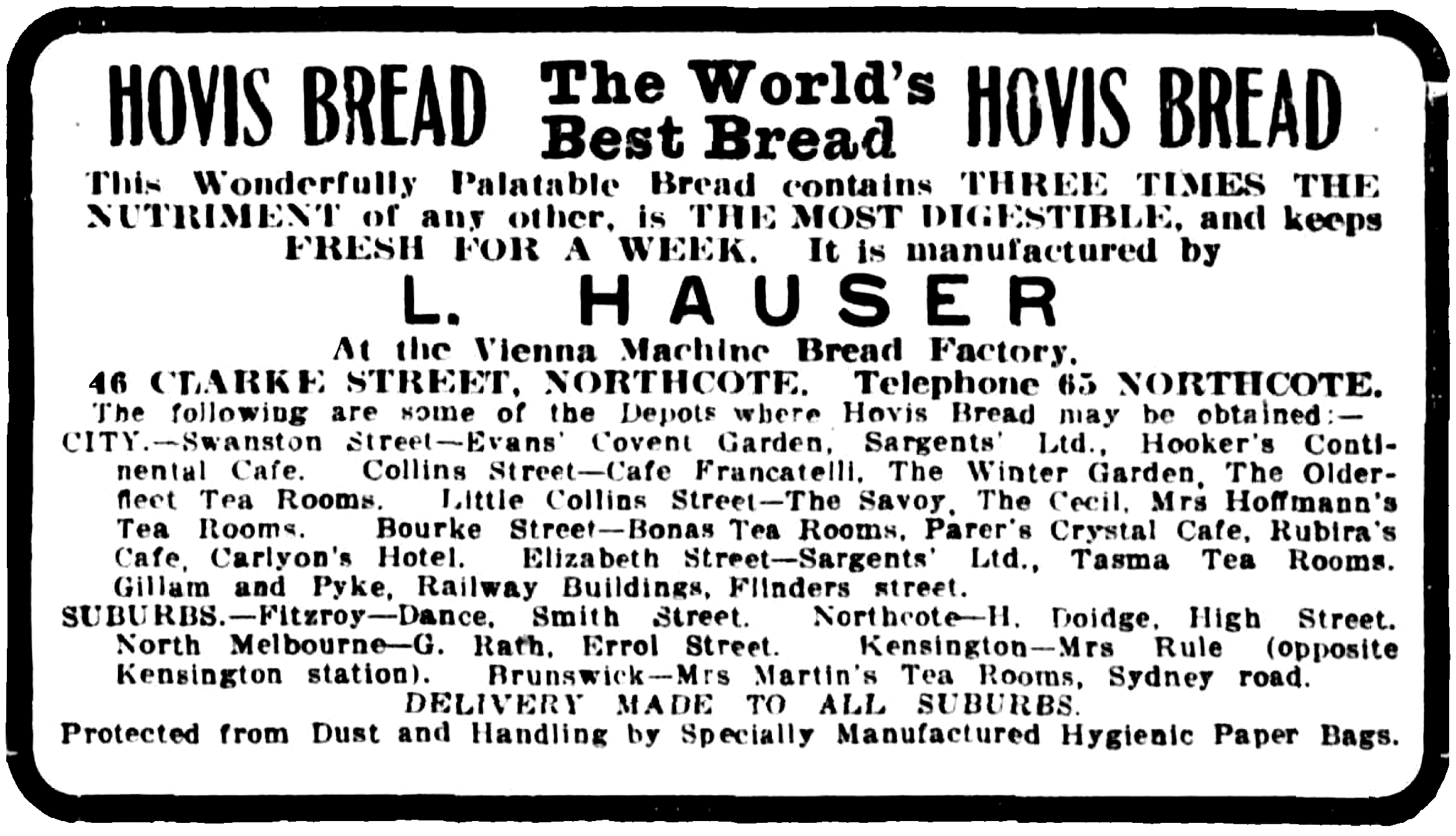
Advertisement, The Herald, 31 October 1914
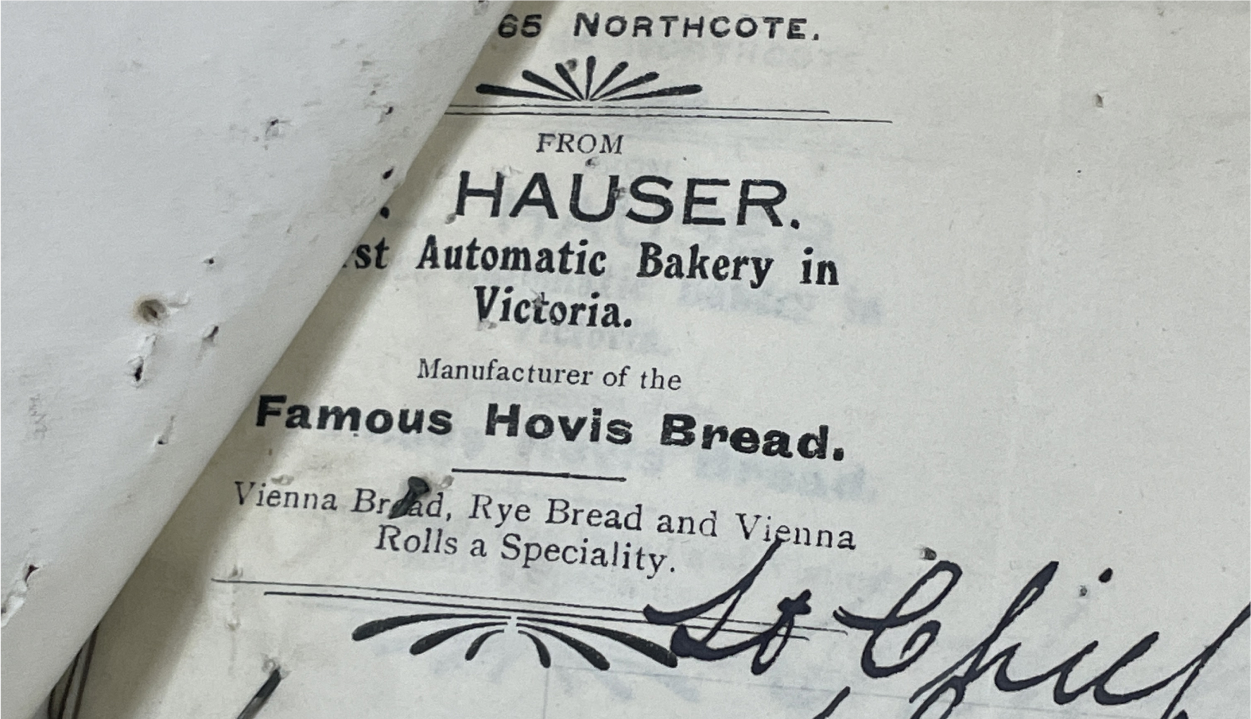
Leopold Hauser's Clarke Street Letterhead, and an inferred digital reconstruction
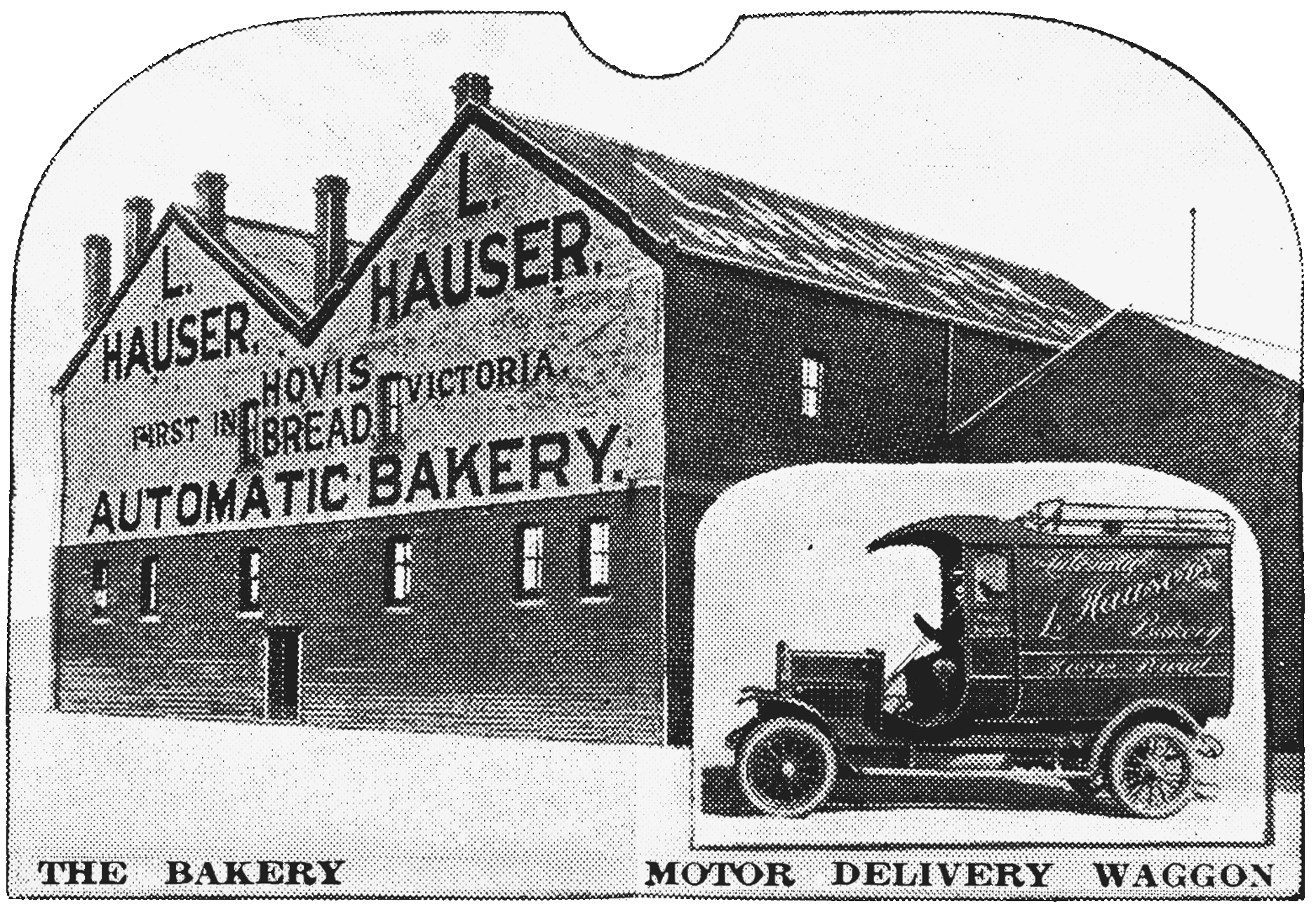
“The Bakery and the Motor Deliver Waggon”
from “Latest Phase of Baking”, The Herald, 23 April 1915 (VPRS 1399/P0000, Public Record Office Victoria)
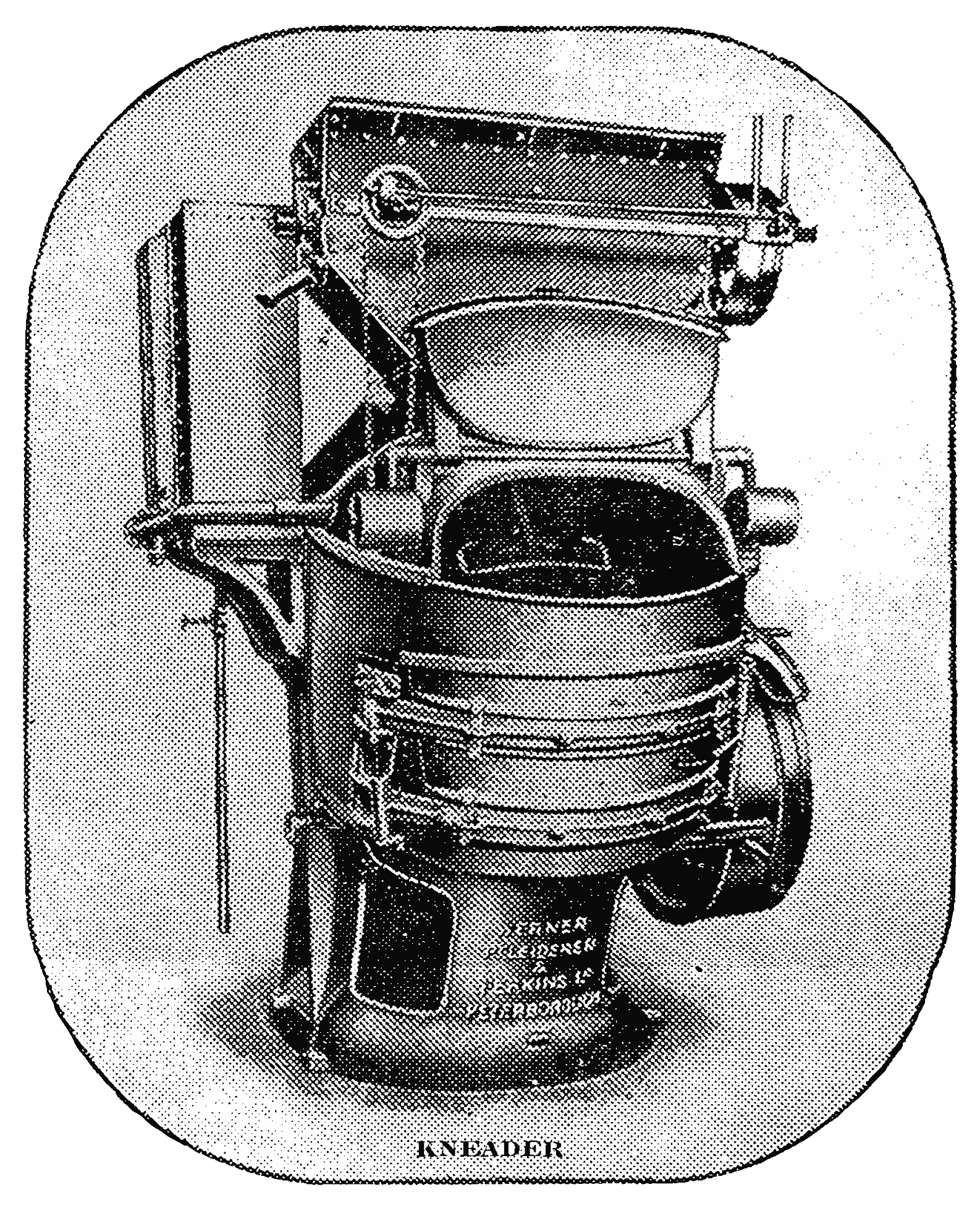
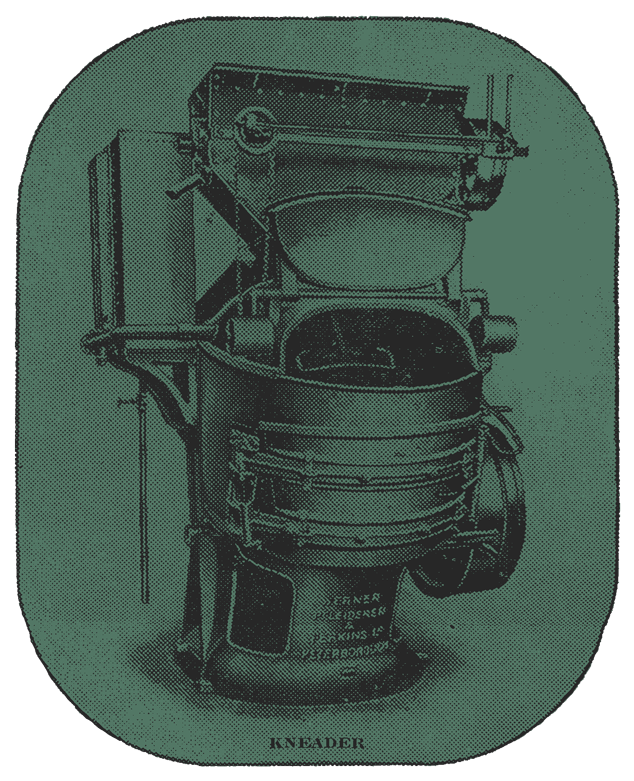
“Kneader”
from “Latest Phase of Baking”, The Herald, 23 April 1915 (VPRS 1399/P0000, Public Record Office Victoria)
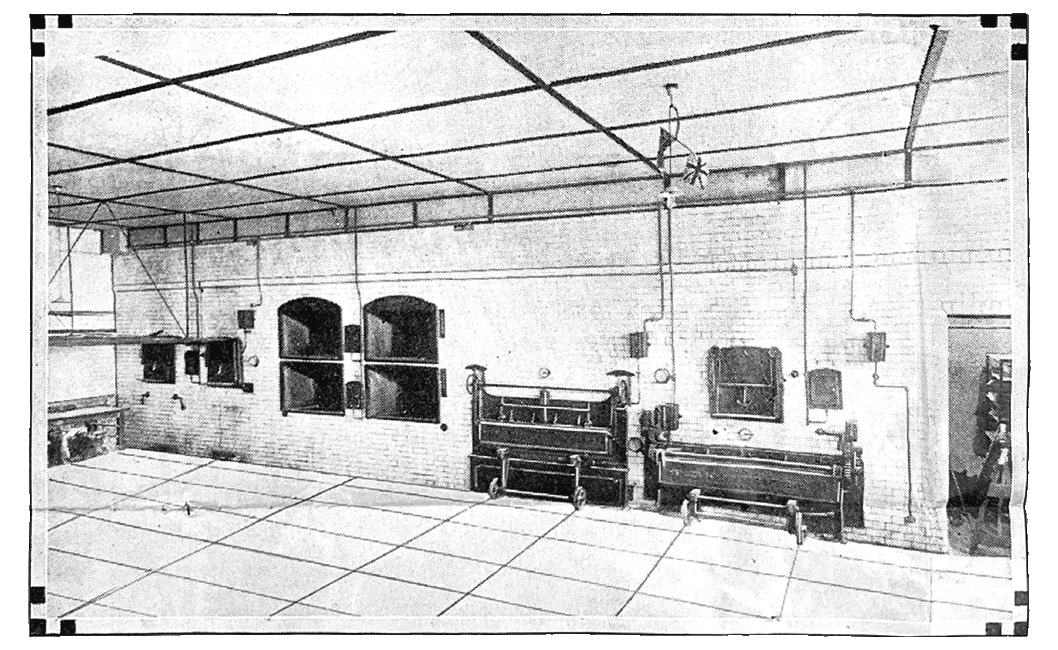
“The Ovens”
from “Latest Phase of Baking”, The Herald, 23 April 1915 (VPRS 1399/P0000, Public Record Office Victoria)
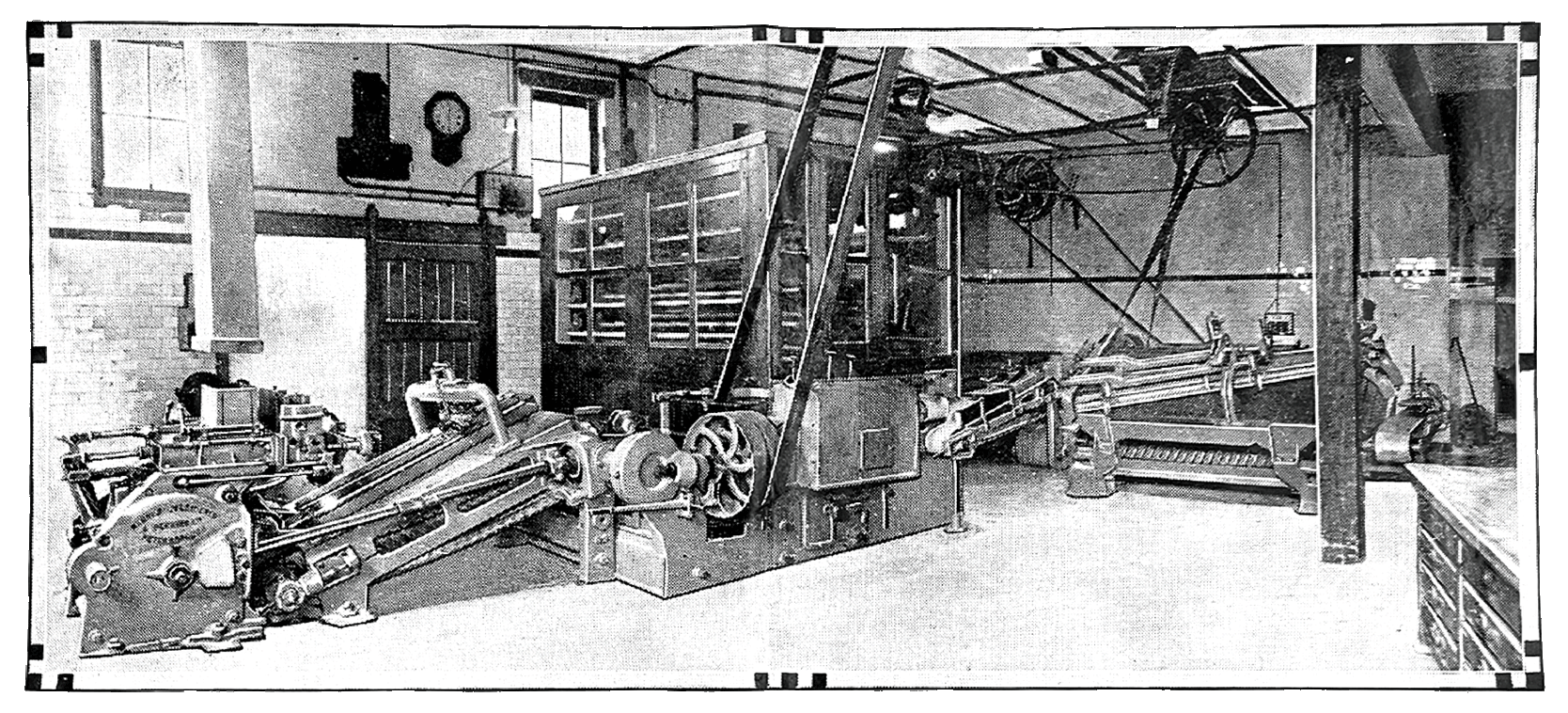
“The Main Plant”
from “Latest Phase of Baking”, The Herald, 23 April 1915 (VPRS 1399/P0000, Public Record Office Victoria)
Since its era of bakery, this space has been home to all manner of makers and innovators, artists, craftspeople, entrepreneurs, and technologists that are challenging the conventions of their profession and continually pushing forward from attempts to success. The story of making is embedded within the very materials that comprise our space, it continues with us and will survive beyond us.
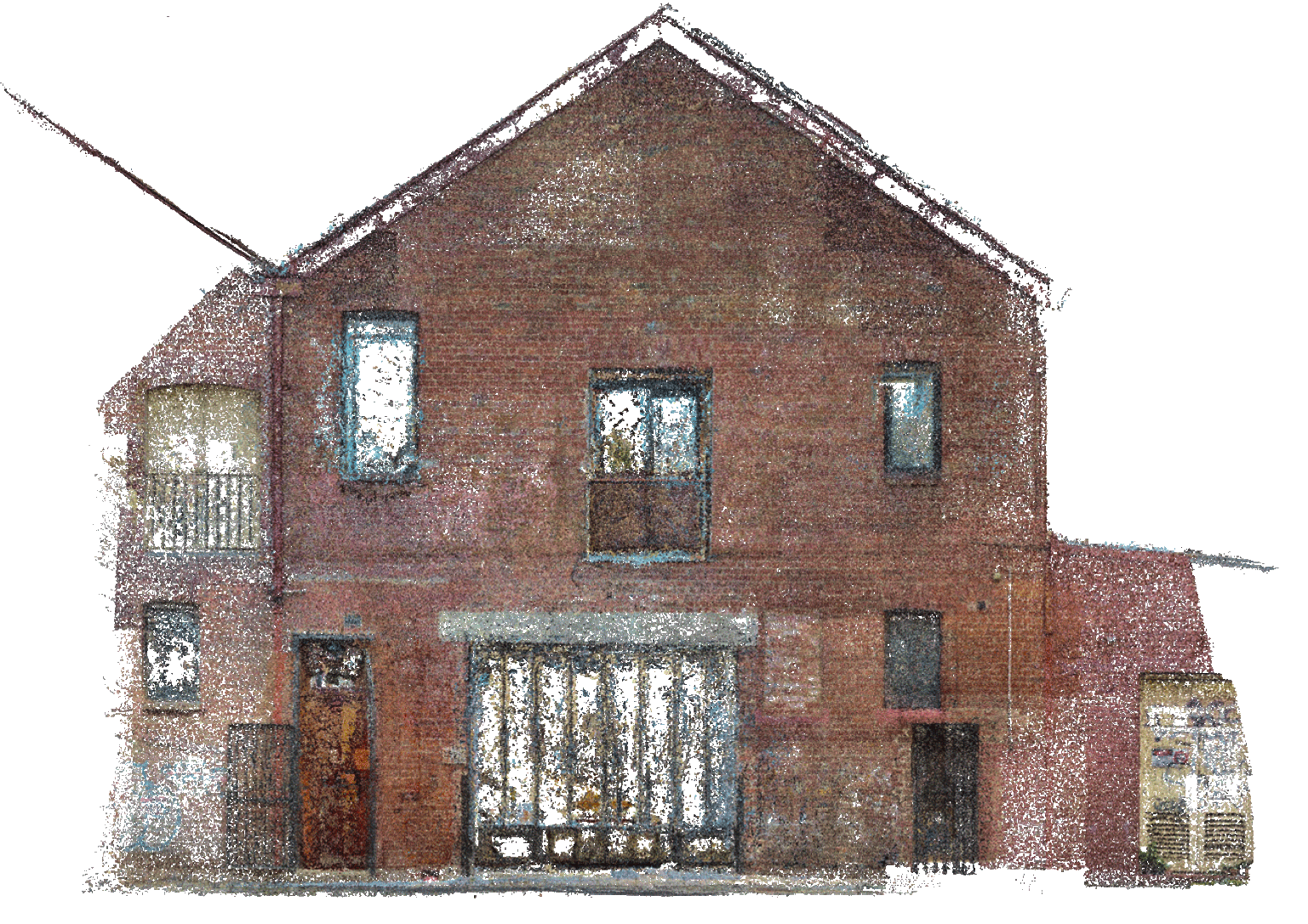
Laneway Facade of 15 Little Bakers Lane
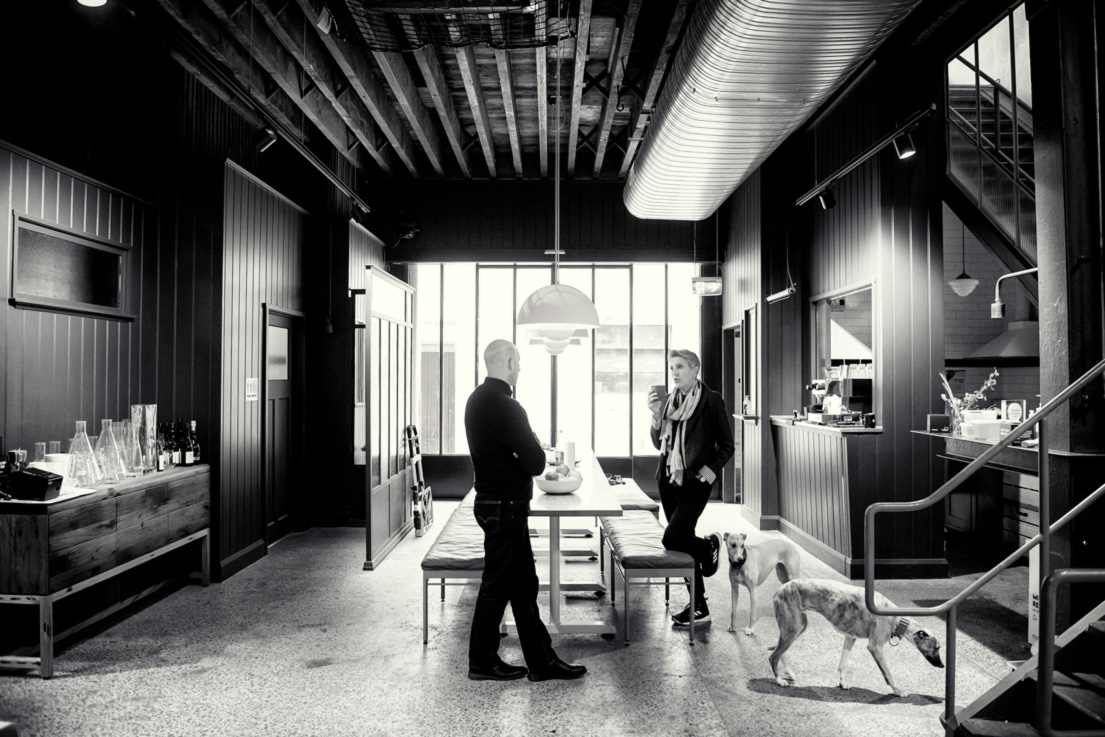
Arcitecta’s Northcote office continues a legacy of making and innovation
Photo: Greg Lorenzutti